.png)


Concrete vs Pavers for Patios in Perris: Which One Holds Up Better Long Term
- Oliver Owens
- Mar 24
- 6 min read

If you are planning a new patio in Perris, this is one of the biggest decisions you will make early on. Concrete or pavers.

At first glance, both look great. You have probably seen clean modern concrete patios and also those high end paver layouts that look like something out of a magazine. But what most homeowners do not realize is that the real difference shows up years later, not on day one.
In Perris and throughout Riverside County, your patio is dealing with heat, dry conditions, occasional heavy rain, and soil that can shift more than people expect. So the better question is not just what looks better. It is what actually holds up over time in this environment.
Let’s walk through this the way a contractor would explain it on site, so you can make the right decision for your home.
What makes Perris different when it comes to patios
Before comparing materials, you need to understand the environment your patio will live in.
Perris has long stretches of hot weather and very little rain compared to other parts of the country. According to local climate data, the area gets low annual rainfall and experiences high summer temperatures. You can see more details on the City of Perris climate page.
That matters because:
• Heat affects how materials expand and contract
• Dry soil can shrink and move underneath patios
• Sudden rain can create drainage issues if the patio is not sloped properly
So the real test is not how a patio looks after installation. It is how it handles movement, temperature, and time.
Concrete patios in Perris: what you need to know
Concrete is one of the most common patio materials for a reason. When it is done right, it is strong, clean, and low maintenance.
The advantages of concrete
Concrete patios are popular in Perris because they are:
Reliable and durable
Easy to maintain
More cost effective upfront
Customizable with finishes like broom texture, light texture, or stamped patterns
Concrete also works well for homeowners who want a simple, clean backyard space that does not require constant upkeep.
If you are working with HBT Concrete, this is where a properly installed concrete patio in Perris becomes a long term investment, not just a quick install.
Where concrete can struggle
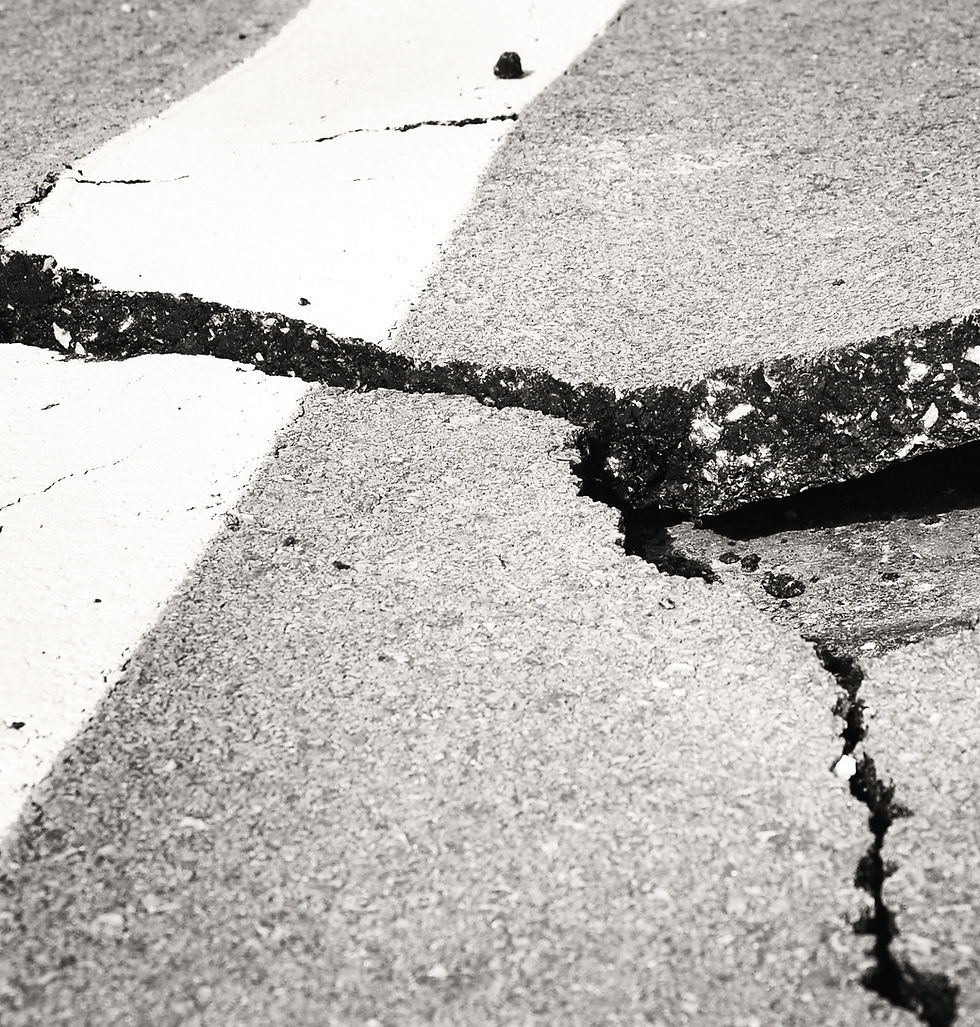
Concrete is strong, but it is not flexible. If the ground underneath moves, the slab reacts.
In Perris, that means:
• Soil movement can lead to cracking if the base is not prepared correctly
• Heat can speed up curing and increase shrinkage if not managed properly
• Poor drainage can cause uneven support under the slab
The key here is not avoiding concrete. It is installing it the right way.
A good contractor focuses heavily on base prep, joint placement, and curing. Those three things make the difference between a patio that holds up for years and one that starts showing problems early.
For reference, the American Concrete Institute provides industry guidance on proper concrete practices and curing methods. You can explore their resources here.
Paver patios in Perris: what you need to know
Pavers are a different approach. Instead of one solid slab, you are working with individual units laid over a prepared base.
The advantages of pavers
Pavers are known for:
Flexibility
High end appearance
Easier repair in sections
Better ability to handle minor ground movement
Because pavers are individual pieces, they can shift slightly without cracking the way concrete does. That makes them appealing in areas where soil movement is a concern.
Where pavers can struggle
Pavers are not maintenance free.
Over time, you may deal with:
• Weed growth between joints
• Sand loss between pavers
• Shifting or settling if the base was not installed correctly
• Edges moving if restraints were not properly secured
Pavers also tend to cost more upfront than standard concrete, especially if you
are choosing premium styles or larger patio areas.
The biggest difference: solid slab vs flexible system
This is the simplest way to understand it.
Concrete is a solid slab. It relies heavily on what is underneath it. If the base is strong and stable, the slab performs well. If not, problems show up.
Pavers are a flexible system. They can adjust slightly to movement, but they rely on proper installation to prevent shifting and long term maintenance issues.
So the real decision is not just material. It is how the material interacts with your specific property conditions.
Cost comparison in Perris
Cost is always part of the conversation.
In most cases:
Concrete patios are more budget friendly upfront
Pavers are more expensive due to material and labor
However, long term cost depends on:
How well the patio was installed
How much maintenance you are willing to do
Whether repairs are needed over time
Concrete may require crack repair or resurfacing years down the line. Pavers may require releveling or joint sand replacement.
There is no universal winner here. It depends on your priorities.
Maintenance differences
This is where many homeowners make their final decision.
Concrete maintenance
Concrete is relatively simple:
Occasional cleaning
Sealing if desired
Monitoring cracks over time
If installed correctly, maintenance is minimal.
Paver maintenance
Pavers require a bit more attention:
Replenishing joint sand
Weed control
Occasional leveling adjustments
Some homeowners do not mind this. Others prefer a lower maintenance option.
Drainage and water control
In Perris, drainage matters more than people think.
A well built patio should move water away from your home and prevent pooling.
Concrete relies on proper slope built into the slab. Once it is poured, that slope is fixed.
Pavers allow water to pass through joints to some degree, but the base and grading still control where water ultimately goes.
If drainage is not handled correctly, both systems can have issues over time.
For general guidance on water movement and site conditions, the USDA Natural Resources Conservation Service provides useful soil and drainage resources.
Which one lasts longer in Perris
This is the question everyone really wants answered.
The truth is, both can last a long time if installed correctly.
Concrete tends to last longer with less maintenance when:
The base is properly compacted
Joints are correctly placed
Curing is handled properly
Pavers tend to perform well long term when:
The base is installed in layers and compacted correctly
Edge restraints are secure
Maintenance is kept up
The biggest factor is not the material. It is the installation.
When concrete is the better choice
Concrete is usually the better option if you want:
A clean and simple look
Lower upfront cost
Less ongoing maintenance
A solid, permanent surface
It is also a great fit for homeowners who want a patio that ties in seamlessly with a driveway or walkway.
When pavers are the better choice
Pavers make more sense if you want:
A higher end or custom design
Flexibility with ground movement
The ability to repair sections easily
A more decorative outdoor space
They are especially popular for entertainment areas where design plays a bigger role.
What most homeowners in Perris end up choosing
In reality, many homeowners in Perris lean toward concrete for patios because:
It is more cost effective
It requires less maintenance
It performs well when installed correctly
But there is also a strong demand for pavers in higher end backyard designs or where aesthetics are the main priority.
FAQ section
Is concrete or pavers better for hot climates like Perris
Both can work well, but concrete requires proper curing and joint placement, while pavers require a well prepared base and ongoing maintenance.
Do pavers crack like concrete
Pavers do not crack the same way because they are individual units, but they can shift or settle over time if not installed properly.
Which is more affordable
Concrete is usually more affordable upfront. Pavers tend to cost more due to materials and labor.
Which lasts longer
Both can last many years. The quality of installation matters more than the material itself.
Closing call to action
If you are deciding between concrete and pavers for your patio in Perris, the best move is to look at your property conditions, your budget, and how much maintenance you are comfortable with.
A quick site visit can usually make the decision clear. Sometimes the ground conditions alone will point you in the right direction.
If you want a straightforward recommendation based on your space, HBT Concrete can walk your property, explain what will hold up best, and give you a plan that actually makes sense long term.


Comments