.png)


How Much Does a Concrete Driveway Cost in Perris, CA
- Oliver Owens
- Mar 2
- 8 min read

If you have been staring at a tired driveway every time you pull in, you are not alone. In Perris, a lot of driveways took a beating from years of sun, shifting soil, sprinklers hitting the same spots every day, and the occasional heavy vehicle that was never part of the original plan.

The tricky part is that driveway pricing is not one simple number. Two neighbors can both say “concrete driveway” and end up with totally different quotes because the site conditions and project choices change the scope fast. My goal in this guide is to walk you through the real factors that drive the cost in Perris, what you can do to keep the project smooth, and how to compare quotes without getting burned.
The honest answer on driveway cost in Perris
Most homeowners want a clean number. The truth is the total depends on square footage plus a handful of site details that matter a lot in Riverside County.
In general, the biggest pricing drivers are:
• How big the driveway is and how it is shaped
• Demo and haul away if the existing slab is failing
• How much base work is needed under the new concrete
• Thickness and reinforcement choices
• Finish type and edge detail
• Drainage corrections and slope changes
• Access to the site and how easy it is to get equipment in
• Permits or public right of way work if you are touching the apron near the street
• Timing of the pour, especially in hot months
Perris is known for sunny weather and hot summers. The City of Perris climate page notes low annual rain and highlights that summer highs are a big part of the local reality. That matters because hot weather affects curing and planning, and it can also reveal issues like shrinkage cracking when concrete dries too fast.
So instead of giving you a one size fits all number, let’s break down what you are actually paying for.
Cost factor 1: size and layout
Square footage is the starting point. A straight rectangle driveway is usually more efficient. A wide driveway with extra turn around space or a flared entrance takes more material and more labor.
Layout matters because:
• Curves and angles take longer to form
• Tight side yards can limit equipment access
• Extra joints and finish transitions add labor
If you want a quick planning move, measure the driveway length and average width and multiply them. That is close enough for early budgeting.
Cost factor 2: removal of old concrete
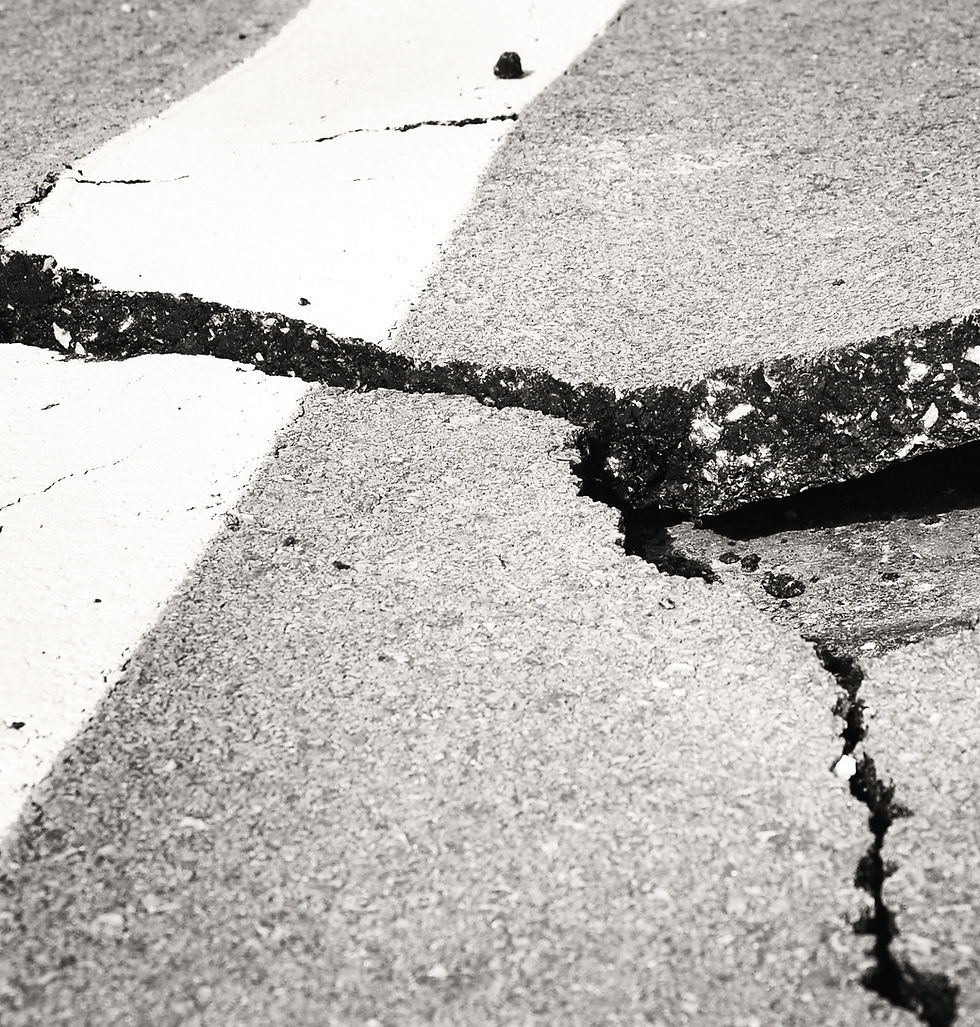
If your current driveway is cracked, heaving, settling, or breaking apart, most pros will recommend removal and replacement instead of pouring on top. Overlay work has its place, but it is not a magic fix when the slab is moving or the base is failing.
Demo cost depends on:
• Thickness of the existing slab
• Whether it has rebar or heavy mesh
• How much can be broken and hauled quickly
• Dump fees and hauling distance
In Perris and nearby areas, a lot of older driveways were poured thinner than what people expect today. If your driveway has heavy vehicle traffic, or if you park an RV, boat, work truck, or trailer, the slab may need to be built differently.
Cost factor 3: the base and what is happening under the slab
This is where the real difference between a good driveway and a driveway that cracks and shifts shows up.
Concrete is strong, but it is not a miracle. If the soil underneath moves, the slab responds. Parts of Riverside County have soils that can shrink and swell depending on moisture. If you have ever noticed cracks widening in dry months and calming down during wetter months, you have seen this pattern in action.
A good contractor will spend time on:
• Excavation depth
• Compaction
• Base material selection
• Moisture control and grading
If your property has drainage issues, like water running toward the garage or pooling at the bottom of the driveway, you should solve that during the concrete project. Fixing drainage later is usually more expensive.
If you want to learn more about local soil information, the USDA NRCS Web Soil Survey is a reliable place to pull soil data by location. In practice, a contractor uses that type of information alongside what they see on site when they dig and compact.
Cost factor 4: thickness and reinforcement
This one is straightforward, but people still get surprised by it.
A driveway is not the same as a patio. Driveways carry vehicle loads, and thickness plus reinforcement choices matter.
Your quote can change based on:
• Standard thickness versus thicker sections where vehicles turn or park
• Reinforcement choice such as rebar, mesh, or fiber in the mix
• Extra reinforcement at stress points like the approach and garage entry
If you have heavy vehicles, ask your contractor exactly what thickness they are proposing and why. A good answer will reference how the driveway will be used, not just what they typically do.
Cost factor 5: finish type and design choices
This is where you can scale your budget up or down depending on what look you want.
Common driveway finishes include:
• Broom finish for traction and a clean classic look
• Light texture or decorative edging for a more custom feel
• Stamped and colored concrete for a higher end look
Stamped concrete can look amazing, but it requires timing, skill, and proper sealing. If the install is rushed or the curing and sealing are not handled well, it can age poorly. That does not mean stamped is bad. It just means you want a contractor who actually does it regularly.
Cost factor 6: joints, cracking control, and why Perris heat matters
Concrete cracks. The goal is not “no cracks ever.” The goal is controlled cracking and a slab that stays stable for the long haul.
Control joints guide where cracks are likely to occur. Joint layout is part math and part experience. When you see a driveway with random cracking everywhere, it is often because joints were not planned well, or the slab dried too quickly, or the base moved.
Hot weather matters because higher temperatures increase evaporation and can speed up early strength gain while impacting long term performance if moisture is not managed. The American Concrete Institute has specific guidance for hot weather concreting and stresses proper placing and curing practices, including having an approved curing method in place.
Another practical source used in the industry highlights that ponding water can be an excellent curing method and warns about temperature and moisture control.
What this means for you in Perris is simple: if a contractor shrugs off curing, that is a red flag. Curing is not a small detail. It is part of how your driveway earns its strength.
Cost factor 7: drainage and slope corrections
Drainage is one of the most overlooked parts of driveway planning.
Your driveway should move water away from the home and toward proper drainage paths. If water runs toward the garage or pools near the entry, you can end up with:
• Surface staining
• Soil softening at the slab edge
• Settlement near the garage
• Faster wear over time
Correcting slope can involve additional excavation and base work, which changes cost. But it is worth it when it prevents water problems for years.
Cost factor 8: permits and work near the street
This is one of those topics that makes homeowners nervous, so let’s keep it practical.
Permits depend on the scope of work and the local rules that apply to your property. If you are changing the driveway approach near the street or doing work that touches the public right of way, you may need additional approvals.
For general permit guidance in Riverside, the City’s Building and Safety pages outline why permits matter and that many construction projects require permits.
Inspection guidance also shows that local agencies take compliance seriously.
Separately, Riverside County also has a Permit Assistance Center and online services for permitting, which can help owners and contractors navigate requirements.
A good contractor will tell you early if permit steps may apply, instead of surprising you later.
What a good driveway quote should include
When you get two or three quotes, do not only compare the bottom line. Compare the scope.
A solid quote usually states:
• Square footage and thickness
• Demo scope and haul away
• Excavation depth and base plan
• Reinforcement details
• Jointing plan
• Finish type
• Curing approach
• Timeline and what you need to do before and after
• Whether permits are included or handled by the owner
If a quote is very short and vague, it is harder to hold anyone accountable when something goes wrong.
Ways to keep your project cost reasonable without cutting corners
Here are a few budget friendly choices that still protect quality:
• Keep the layout simple if you do not truly need extra turn around space
• Choose a clean broom finish and invest in proper curing and jointing
• Fix drainage during the pour instead of patching later
• Be cautious with design upgrades that add labor, like heavy stamping patterns, unless you really want the look
The best money you can spend is usually under the slab, not on top of it.
What to expect from start to finish
Most driveway projects follow a predictable flow:
1. Site visit and measurement
This is where you talk through usage. Daily cars versus heavy vehicles changes design.
2. Demo and excavation
Old slab comes out. The crew shapes the subgrade and prepares base.
3. Base and forms
They compact, set forms, plan joints, and set reinforcement.
4. Pour and finish
Concrete is placed, finished, and textured.
5. Curing and protection
This step is huge. Guidance from transportation and concrete industry resources commonly references curing periods like seven days for typical mixes in many contexts. Your contractor should also give you clear rules on when you can walk on it and when you can drive on it.
6. Saw cuts, sealing, and cleanup
Depending on the design, joints may be cut, and sealing may be recommended after curing.
FAQs that homeowners in Perris ask all the time
How long before I can drive on a new concrete driveway
Many contractors recommend waiting several days before light vehicle traffic and longer for heavier vehicles, depending on mix and conditions. Curing is a strength development process, not just surface drying, and hot weather handling and curing practices matter.
Will my driveway crack
Concrete can crack, but proper jointing, a well prepared base, and good curing help control where cracks occur and reduce the risk of random cracking.
Is thicker always better
Thicker is not automatically better if the base work is poor. Thickness, reinforcement, and base preparation should match how the driveway will be used.
Do I need a permit
Sometimes. It depends on scope and whether any work touches regulated areas. Start with your city or county guidance and ask your contractor what applies to your specific project.
Closing call to action
If you are thinking about replacing your driveway in Perris, the best first step is a simple site visit and a real conversation about how you use the space. A driveway that holds up for years starts with the base, the slope, and the curing plan, not just a quick pour.
If you want help deciding whether your driveway needs replacement or if a smaller repair makes sense, reach out to HBT Concrete and ask for a straightforward evaluation. The right plan should feel clear, not confusing.


Comments