.png)


Why Concrete Cracks in Perris Heat and What a Good Contractor Does to Prevent It
- Oliver Owens
- Mar 2
- 7 min read

If you have lived in Perris for any amount of time, you already know the sun here plays by its own rules. It is the kind of heat that dries out landscaping fast, turns car interiors into ovens, and makes you rethink walking barefoot across a driveway in the afternoon.
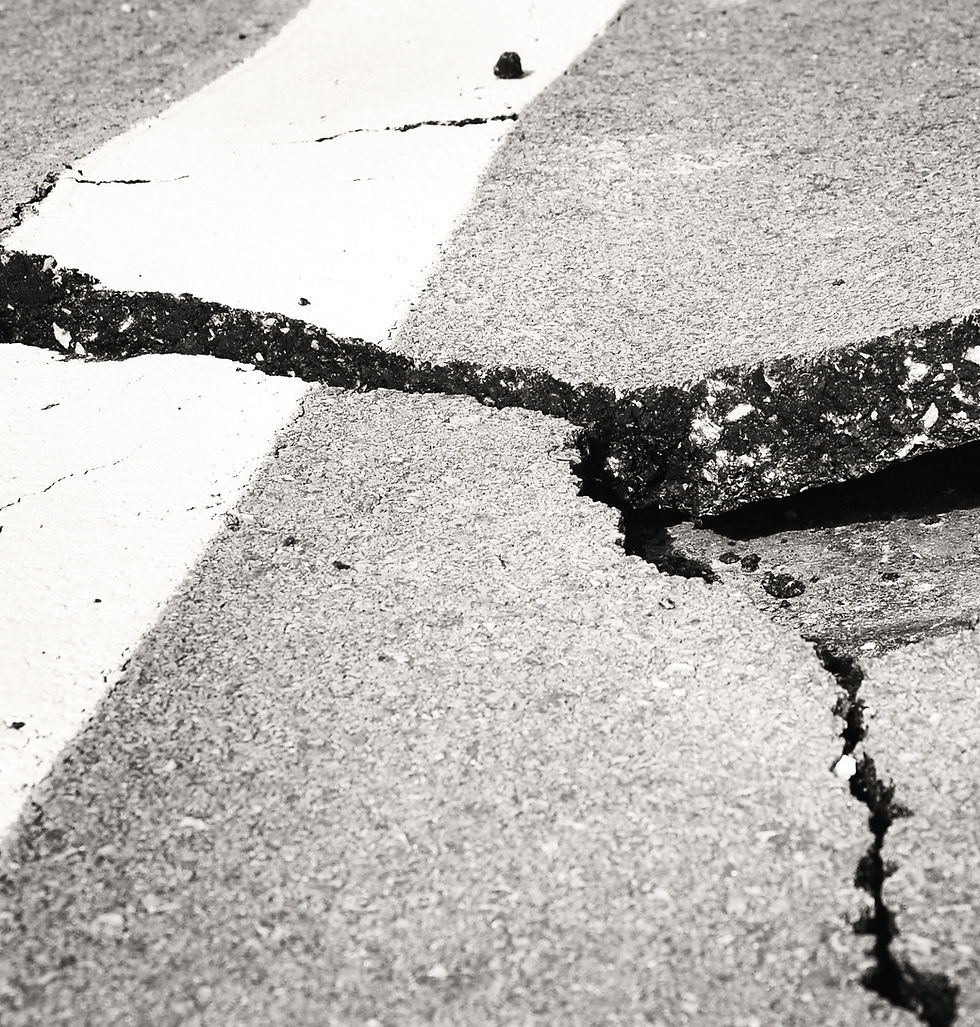
So when homeowners see cracks in their concrete, the first thought is usually, the heat did this. And honestly, the heat is a big part of it. But the deeper truth is that cracks happen for a few different reasons, and the best concrete work is not about promising no cracks ever. It is about building the project in a way that controls cracking, limits movement, and keeps the slab strong for the long haul.
This guide breaks down why concrete cracks in Perris, what types of cracks matter, and what a good contractor does to prevent the cracks that actually cause problems.
First, is cracking always a sign of bad work
Not always.
Concrete is a material that changes as it cures. It loses moisture, it tightens up, and it reacts to temperature. Even the best concrete can develop hairline cracks. The goal is not perfection. The goal is performance.
A good concrete contractor focuses on three things:
A stable base
Smart joint placement
Proper curing and moisture control
When those three are done right, the slab usually behaves the way it should.
Why Perris makes concrete more likely to crack
Perris has conditions that can make concrete more challenging if the job is rushed or handled like a one size fits all pour.
Here are the big ones.
Heat and fast surface drying
When concrete dries too fast at the surface, it can shrink quickly and pull against itself. That early shrinkage is a common reason for hairline cracking. Heat and wind both speed up evaporation. If a crew is not prepared for hot weather conditions, the slab can lose moisture too quickly before it gains enough strength.
Expansive soils and ground movement
Some areas around Riverside County can have soils that swell when they get wet and shrink when they dry out. That movement can push a slab up, pull it down, or cause uneven support underneath. You might not notice it right away, but over time it shows up as cracking, settling, or sections that feel slightly tilted.
Big swings between dry and wet periods
Even though Perris is mostly dry, the rainy periods can come in bursts. If drainage is not handled properly, water can collect along edges, soak into the base, and change the support under the slab. Then when everything dries out again, the base shrinks and shifts. Concrete does not love that cycle.
The types of cracks homeowners see and what they usually mean
It helps to know what you are looking at before you panic.
Hairline surface cracks
These are thin cracks that often look like faint lines. They can happen as the concrete cures and shrinks. Many of these are cosmetic. They still deserve attention, but they are not always a structural issue.
Shrinkage cracks
Shrinkage cracks often appear when the slab loses moisture and tightens up. The slab wants to contract, but it is restrained by friction against the base or by reinforcement. If joints are not planned correctly, the slab finds its own path to relieve that stress.
Settlement cracks
Settlement cracks show up when the soil or base underneath moves. You might see cracking paired with a section that feels lower, a corner that drops, or a gap forming near the edge.
Cracks near corners and reentrant areas
Corners are stress points. Areas near garage entries, tight turns, and where concrete forms an L shape tend to crack if joints are not placed with intent.
Wide cracks or cracks that change height
If a crack is widening over time or one side of the crack sits higher than the other, that is when you should take it seriously. That can signal movement under the slab or drainage problems that need to be corrected.
What a good contractor does to prevent problem cracking
Now let’s talk about the part that actually matters. Prevention is not magic. It is a series of decisions made before the truck even shows up.
1. They start with base prep, not just the pour
If a contractor talks only about the concrete and not about what is underneath, that is a red flag.
Base prep usually includes:
Removing soft or unstable soil
Grading for proper drainage
Adding base material when needed
Compacting in layers
Confirming the slope is correct
Concrete is strong, but it is not flexible. It needs consistent support. A driveway slab is only as stable as the base under it.
2. They design the slab for how you actually use it
A driveway that only sees a couple of sedans is different from a driveway that holds a heavy truck, a work trailer, or an RV.
A good contractor will ask questions like:
What vehicles do you park here
Do you turn the wheels while stopped
Do you back in heavy loads
Does water run toward the garage
Those answers affect thickness choices, reinforcement needs, and the joint layout.
3. They use control joints strategically
Control joints are planned weak points. That sounds backwards, but it is exactly the point.
Concrete wants to crack. The joint gives it a place to crack neatly so it does not crack randomly across the slab.
A good contractor lays out joints based on:
Slab dimensions
Corners and turns
Stress points near the garage and street
Spacing that fits the slab thickness and use
When joints are missing or poorly spaced, the slab makes its own joints. That is when you get random cracks.
4. They pay attention to hot weather placement and curing
Hot weather concrete work requires planning. It is not enough to pour early and hope for the best.
A good crew will have a curing plan that might include:
Using curing compounds
Keeping the surface moist during early curing
Protecting fresh concrete from direct sun and wind
Timing finishing steps so the surface is not overworked while drying fast
If you want a reliable authority source on hot weather practices, the American Concrete Institute is the industry standard reference for concrete guidance. You can find their resources, here.
For basic curing education that many pros reference, you can also look at the Federal Highway Administration concrete pavement resources, here.
5. They manage water and drainage around the slab
Drainage is a crack multiplier. If water pools near the slab edge, it can soften support, wash out fine material, or create uneven moisture conditions. Then the ground dries out and shrinks again. That cycle is rough on concrete.
A good contractor aims for:
A slope that moves water away from structures
Clean transitions near the garage
Proper grading on the sides
A plan for downspouts and sprinklers
If you have sprinklers that hit the driveway edge daily, that alone can create uneven moisture patterns. It sounds small, but over years it adds up.
6. They use reinforcement as support, not as a marketing line
Reinforcement helps hold a slab together if cracks occur. It does not stop cracking entirely.
Reinforcement is useful because it can reduce differential movement across a crack and help distribute loads. The right choice depends on the project.
Ask your contractor:
What reinforcement are you using
Where is it placed in the slab
Why is that the best fit for my driveway
If they cannot explain it simply, that is a concern.
Common mistakes that cause ugly cracking in driveways
This section is important because it helps you spot problems in a quote or plan before the work happens.
Pouring on a poorly compacted base
This can lead to settlement cracks and sections that dip.
No joint plan
This is one of the biggest reasons for random cracks that look messy and unpredictable.
Overwatering the mix to make it easier to work
Extra water can weaken concrete and increase shrinkage. It can also cause surface issues later.
Finishing at the wrong time
Finishing too early or overworking the surface can trap water and create weak layers. Finishing too late can tear the surface.
Ignoring curing
Curing is where the strength develops. If curing is treated like an afterthought, the slab is more likely to develop surface cracking and long term durability issues.
What you can do as a homeowner to protect your concrete after the pour
Even if the contractor does everything right, what happens next still matters.
Here are simple habits that make a real difference.
Keep heavy vehicles off early
Concrete continues gaining strength over time. Your contractor should give you clear guidance on when to drive on it, and when to bring heavier loads back onto it.
Do not let sprinklers soak one edge every day
Adjust sprinkler heads so they do not constantly hit the same slab edge. That moisture imbalance can contribute to movement along the perimeter.
Keep water draining away from the slab
If you notice pooling, fix it early. Sometimes it is as simple as adjusting landscaping grade or improving a drainage path.
Consider sealing when appropriate
Sealers can help reduce water intrusion and staining. The right time and product depends on the finish and the curing schedule.
When to call a professional about cracks
If you see any of the following, it is worth getting a pro evaluation:
Cracks that widen quickly
Cracks with one side higher than the other
Cracking combined with sinking or settlement
Water consistently pooling near the cracks
Cracks that create tripping hazards or broken edges
In those cases, the fix might be repair, stabilization, or replacement depending on what is happening underneath.
Free authoritative backlinks that connects to this blog
Closing call to action
If you are seeing cracks in your driveway in Perris, the most helpful thing you can do is figure out what kind of cracking it is and what is causing it. Sometimes it is cosmetic and manageable. Other times it is a sign the base is moving, drainage is wrong, or the slab is underbuilt for how it is being used.
If you want a straight answer, HBT Concrete can take a look at your driveway and tell you whether repair makes sense or if replacement is the smarter long term move. The right fix should feel clear and practical, not confusing.


Comments